
How IPTV Works: A Simple Guide to Internet TV Streaming
In today’s digital age, watching television has evolved far beyond traditional cable or satellite services. Internet Protocol Television, commonly known as IPTV, has emerged as a popular way to stream TV content over the internet. But what exactly is IPTV, and how does it work? This guide will break down the basics of IPTV and help you understand how internet TV streaming delivers your favorite shows and movies efficiently.
What Is IPTV?
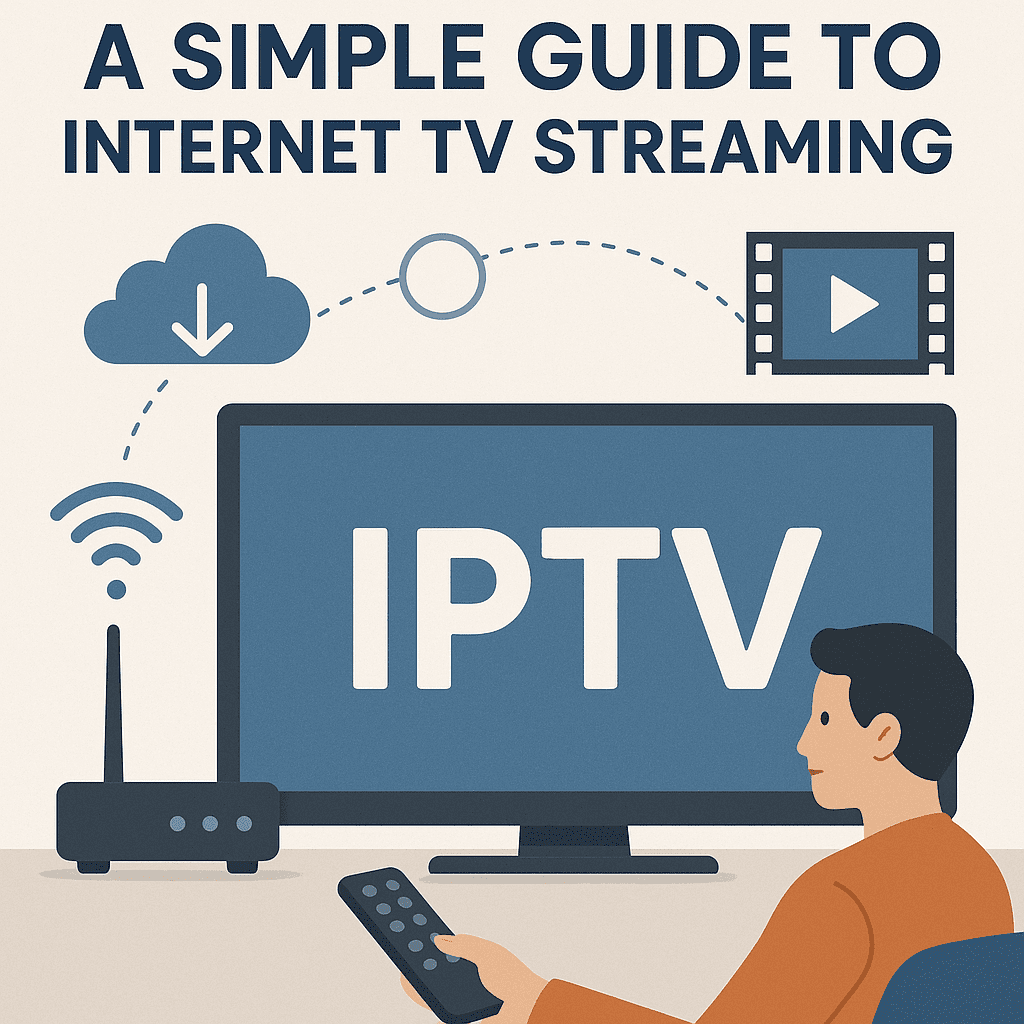
IPTV refers to the delivery of television content through Internet Protocol (IP) networks. Unlike traditional broadcasting methods such as satellite or cable, IPTV uses your internet connection to stream TV programs, live channels, and on-demand content directly to your device.
The key difference with IPTV is that it leverages the internet’s infrastructure to transmit data packets, allowing for greater flexibility, interactivity, and customization in how you consume media.
How IPTV Works: The Basics
At its core, IPTV works by sending digital signals over an internet connection rather than through traditional broadcast formats. Here is a simple breakdown of the process:
1. Content Acquisition
TV channels or media providers supply live or recorded content. This content is encoded into a digital format that can be efficiently streamed over the internet.
2. Content Storage and Management
The encoded content is stored on servers or Content Delivery Networks (CDNs). These servers manage the streaming requests and deliver the content to users on demand.
3. Streaming Protocols
IPTV uses specific streaming protocols to send data packets from the server to the user’s device. The most common protocols include:
– HTTP Live Streaming (HLS)
– MPEG-DASH
– Real-Time Messaging Protocol (RTMP)
These protocols ensure smooth playback and enable features like adaptive streaming, which adjusts video quality based on your internet speed.
4. User Device and IPTV Player
The end user receives the IPTV stream on various devices such as smart TVs, computers, smartphones, or dedicated IPTV set-top boxes. To access IPTV content, you need an IPTV player or application capable of decoding and displaying the stream.
5. Internet Connection
Since IPTV depends entirely on your internet connection, faster and more stable connections result in better streaming quality, fewer buffering issues, and higher resolution playback.
Types of IPTV Services
IPTV services generally come in three forms, each catering to different viewing preferences:
Live IPTV
Live IPTV delivers real-time broadcasting of television channels over the internet, much like traditional TV but streamed digitally. This allows users to watch events as they happen, such as sports or news.
Time-Shifted IPTV
Also referred to as catch-up TV or start-over TV, this service lets you watch previously aired content at your convenience. It allows viewers to pause, rewind, or start shows from the beginning even if they missed the live broadcast.
Video on Demand (VOD)
VOD provides access to a library of movies and shows that can be watched anytime. Unlike live TV, you’re not restricted by broadcast schedules, giving you full control over what and when you watch.
Advantages of IPTV Over Traditional TV
IPTV offers various benefits that make it an attractive alternative to conventional television:
– Greater Flexibility: Watch TV on multiple devices anywhere with an internet connection.
– On-Demand Content: Access a vast library of shows, movies, and specials at your convenience.
– Interactive Features: Some IPTV platforms offer additional options like pause, rewind, and catch-up TV.
– Cost Efficiency: IPTV often provides more affordable subscription packages compared to cable or satellite.
– Personalized Experience: Customizable channel lists and recommendations based on your interests.
What Do You Need to Start Using IPTV?
Getting started with IPTV is simple with the right equipment and subscriptions:
1. High-Speed Internet
A stable broadband connection (preferably 10 Mbps or higher) to stream content without interruption.
2. Compatible Device
Smart TVs, smartphones, tablets, PCs, streaming sticks (like Amazon Fire Stick), or IPTV set-top boxes.
3. IPTV Subscription or Access
A legitimate IPTV service provider or app that offers a variety of channels and on-demand content.
4. IPTV Player Software
Applications or built-in device players that support IPTV protocols for decoding and streaming content.
Is IPTV Legal?
IPTV itself is simply a technology and not illegal. However, legality depends on the content source and whether the provider has obtained proper licensing rights. Always ensure your IPTV service comes from reputable providers to avoid pirated or unauthorized streams.
Final Thoughts
IPTV is revolutionizing the way we consume television by bringing live TV, catch-up services, and on-demand content directly through the internet. By understanding how IPTV works and what is needed to access it, you can unlock a flexible, interactive, and modern TV viewing experience.
As internet speeds continue to improve globally, IPTV is set to become an even more widespread and convenient way to enjoy your favorite shows and channels anytime, anywhere. If you’re looking to move away from traditional cable or satellite, IPTV might just be the next great step in your entertainment journey.